

for Smart Used Car Shoppers
Welcome to the car buying guide for Itasca MN. This local resource is designed to help you choose the right used car, understand financing options, and navigate registration and ownership in Itasca County. Whether you are upgrading for winter driving, buying a first car, or rebuilding credit, you will find clear steps and checklists that save time and money. Explore how to set a budget, compare models, read a vehicle history report, and inspect a car in our climate. Learn the difference between traditional lending and second chance options, plus what to expect for Minnesota title, tax, and fees. When you are ready to browse vehicles, visit our used inventory and review local trends on used car market research Itasca MN. You can also read tips on our blog and learn more about our team on about us.
This guide focuses on practical steps for shoppers in and around Grand Rapids, Cohasset, Deer River, and the wider Itasca County area. You will get advice tailored to northern Minnesota driving, including winter readiness, rust prevention, and smart negotiation. When questions come up about financing or documentation, see used car financing Itasca MN and second chance auto financing Itasca MN.
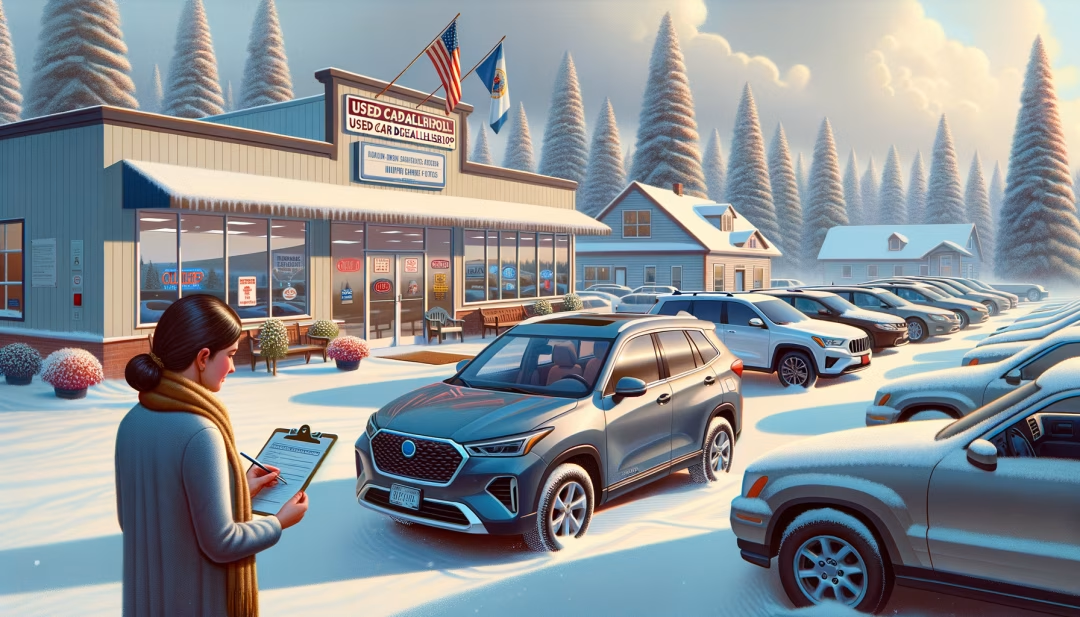
How to Use This Itasca MN Car Buying Guide
Start with a realistic budget, understand your credit profile, research vehicles that fit local conditions, and then verify each candidate with data and a hands on inspection. Finish by planning financing, paperwork, tax and title, and immediate maintenance. Throughout this guide you will find local references and links to help you make informed decisions.
Step 1: Define a Total Budget You Can Live With
Total cost includes more than the sticker price. In Minnesota, expect state sales tax, title, and registration fees at purchase, plus ongoing insurance, fuel, and maintenance. If you finance, include down payment and monthly payments with interest. In northern climates, set aside funds for winter tires, alignment, and a battery if the existing one is older.
- Create two budgets: cash purchase or monthly finance. Compare which keeps your emergency fund intact.
- Estimate monthly insurance for models on your shortlist before you shop.
- Add a winter readiness reserve for tires and service if the car will face frequent snow or ice.
Step 2: Check Your Credit and Explore Financing Paths
Your credit profile helps determine interest rate and loan terms. If your score is strong, you may qualify for prime rates and larger loan amounts. If your score needs work or you have thin history, consider programs designed for rebuilding credit. Compare offers and understand the total cost of borrowing, not just the payment.
- Review options at used car financing Itasca MN for traditional lending guidance.
- If you are rebuilding credit, learn about flexible paths at second chance auto financing Itasca MN.
- Compare APR, loan term, down payment, fees, and any prepayment penalties.
Step 3: Research Models That Fit Itasca County Driving
Itasca County roads and weather reward vehicles with dependable cold starts, stable winter handling, and corrosion resistance. Decide whether you need all wheel drive or if dedicated winter tires on a front wheel drive model will meet your needs. Balance ground clearance with fuel economy for your commute and outdoor activities.
- Use local pricing and trend data on used car market research Itasca MN to set target prices and times to buy.
- Read maintenance records and reliability summaries for engines and transmissions common in your shortlist models.
- Check parts availability and cost for brakes, tires, and suspension in northern Minnesota.
Step 4: Shortlist Vehicles and Review Vehicle History
Narrow your search to a few vehicles that match your budget and needs. Review each vehicle identification number history for accident events, airbag deployments, flood damage, mileage inconsistencies, title status, and service records. A clean title with consistent mileage and documented maintenance is a positive sign.
- Compare options in our used inventory and see previously sold examples in sold inventory to gauge demand.
- Verify the VIN on the car matches all paperwork.
- Look for consistent service intervals, especially oil changes and transmission fluid services.
Step 5: Inspect for Northern Wear and Winter Readiness
Minnesota winters introduce unique wear. Inspect thoroughly or request a pre purchase inspection from a trusted shop. Pay special attention to rust prone areas, cold start behavior, and heating and defrost performance. If the vehicle has aftermarket remote start or block heater, test operation.
- Undercarriage and frame: surface rust is common, but avoid severe structural corrosion or soft brake and fuel lines.
- Brakes and tires: measure pad life and tire tread. Ask about winter tire sets and wheel condition.
- Cooling and heating: verify fast cabin heat, strong defrost, and stable operating temperature.
- Electrical: test battery voltage, alternator output, and cold start performance.
Step 6: Test Drive Checklist on Itasca County Roads
Choose a route that includes city, highway, and rougher surfaces. Listen for suspension clunks, wheel bearing hum, and wind noise. Check transmission shift quality and steering tracking. Test all wheel drive engagement on loose surfaces if equipped. Confirm that advanced driver assistance features operate as designed.
- Cold start idle, warm idle, and restart after a short stop.
- Straight line braking without pull or pulsation and a firm pedal feel.
- HVAC, heated seats, and rear defrost operation for winter comfort.
Step 7: Trade In and Value Optimization
If you have a trade in, clean it inside and out, gather maintenance records, and fix simple items like bulbs or wipers. Bring both keys and accessories such as cargo covers. Obtain several value estimates to set expectations. A well presented trade can improve your out the door numbers.
Step 8: Negotiation With Data and Respect
Enter negotiations with comparative listings, vehicle history, inspection notes, and financing pre approvals. Focus on the out the door price or your true monthly cost, not just the sticker. Ask for an itemized buyer order so you can see price, fees, taxes, and any add ons.
- Use pricing insights from used car market research Itasca MN to support your offer.
- Be flexible on minor items if the vehicle condition and service records are strong.
Step 9: Paperwork, Title, Tax, and Registration in Minnesota
Review all documents carefully. Verify buyer names and addresses, purchase price, VIN, odometer reading, and lienholder if financed. Minnesota buyers should expect state sales tax, title transfer fees, and license fees. Ensure you receive the temporary permit if needed and confirm when plates will arrive. Keep copies of your purchase agreement and finance contract.
- If you have questions about documentation standards, review the visitor agreement and privacy policy.
- Confirm county and state fees are listed accurately on the buyer order.
Step 10: Delivery Day and First 30 Days
On delivery, verify you received all keys, manuals, floor mats, spare, and tools. Pair your phone and set radio presets and driver settings. Schedule an oil change and inspection if due soon. If the car is new to winter, consider an alignment check, coolant test, and battery test before the first deep cold snap. Store a winter kit with scraper, gloves, blanket, and a small shovel.
Frequently Overlooked Itasca County Considerations
- Rust prevention: consider underbody washes during salt season and apply protectants as recommended.
- Tire strategy: high quality winter tires often outperform all wheel drive on all season tires for braking and steering in snow.
- Remote start and block heaters: helpful for battery life and comfort in very cold mornings.
Helpful Links for Shoppers
Explore inventory, compare financing programs, and read local insights to prepare for a smooth purchase.
Local Model Ideas for Itasca MN
Consider compact SUVs with available all wheel drive if you travel rural roads or trailheads. Sedans with high efficiency and a set of winter tires can be a smart value for daily commuting. For towing or lake trips, verify your payload and tow ratings match your boat or trailer needs. Evaluate total cost, not just the initial price, and favor models with documented service history.
Financing Fit: Matching Terms to Vehicle Age and Mileage
Lenders often adjust terms based on age and mileage. Older or higher mileage vehicles may qualify for shorter terms. A strong down payment can improve approval odds and reduce interest paid. If you aim to rebuild credit, choose a term that you can comfortably afford while paying on time to establish history. When comparing approvals, assess the annual percentage rate, total finance charge, and the payoff schedule alongside the vehicle reliability outlook.
Insurance, Warranty, and Protection Options
Request quotes for liability and comprehensive coverage before purchase, as premiums vary by model. If offered, evaluate service contracts and gap coverage based on your loan to value ratio, expected mileage, and ownership plans. In colder climates with frequent road debris, consider windshield coverage where available. Read terms carefully and decide only on products that match your risk profile and budget.
Plan for Ownership: Maintenance and Seasonal Prep
Reliable ownership is about planning. Build a simple schedule with oil change intervals, tire rotations, brake checks, and coolant and battery tests before winter. Keep records and receipts to support future resale value. If you store seasonal tires, label locations and note tread depth. A small toolkit, jumper cables, and a tire inflator can prevent a minor issue from becoming a roadside call.
