Planning a used car purchase in Fillmore County Minnesota benefits from local data, not guesswork. This used car market research guide for Fillmore MN brings together pricing patterns, model demand, mileage norms, and seasonal trends that influence shopper decisions in towns like Preston, Spring Valley, Chatfield, Harmony, Rushford, and Lanesboro. You will find practical methods to compare listings, interpret past sales, and estimate total cost of ownership with Minnesota fees in mind. We also point to neutral resources on financing, vehicle history, and inspection planning so you can match a fair price with a dependable choice. Whether you are new to the area or refining a shortlist, this page is designed to help you read the local market with confidence and build a simple research plan that fits your timeline and budget range.
Local markets move differently. Rural inventory can shift with trade in flow, farm and outdoor seasons, and regional demand from nearby Olmsted and Mower counties. Use the insights below to compare real world pricing, evaluate mileage and age benchmarks, and understand which features or trims hold value in Fillmore MN. When you are ready to verify details, reference the linked pages for inventories, policies, and area guides.
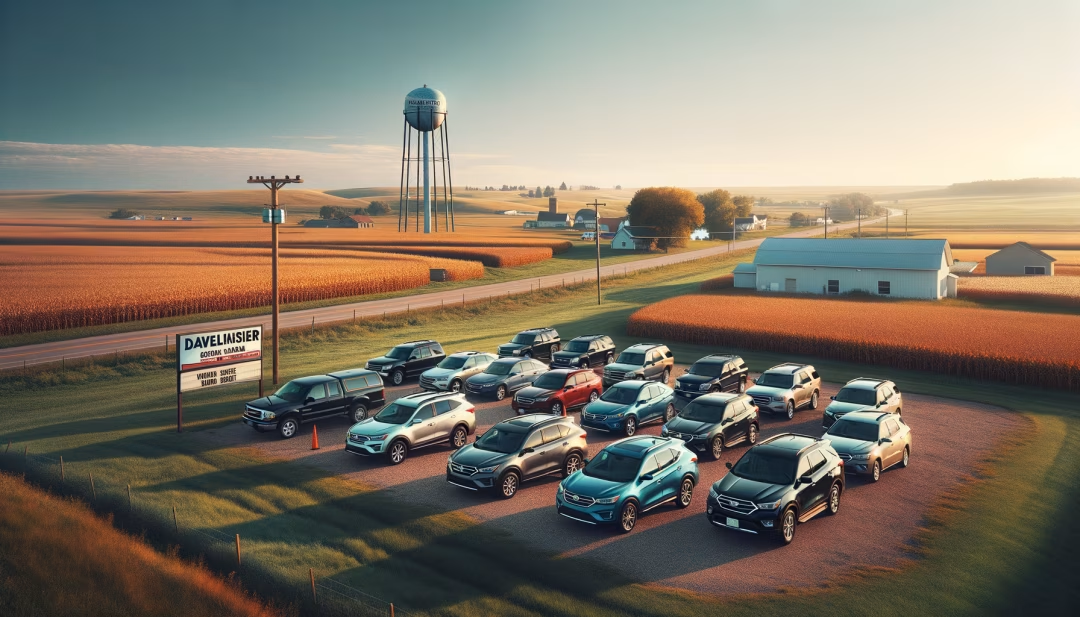
Fillmore County serves a mix of small towns and commuter routes into larger job centers. That means demand is steady for reliable compact sedans, small and midsize SUVs, light duty pickups, and all wheel drive models that handle winter roads. Because inventory levels in rural counties can be tighter than in metro hubs, price spreads often reflect condition and service history more than trim upgrades alone. Shoppers who watch listings for two to four weeks typically see clear patterns in mileage, model year, and option content for the vehicles that fit their needs.
Market research in Fillmore MN is the process of collecting and comparing local asking prices, recent sold prices, mileage and age ranges, and feature differences for similar vehicles. The goal is to set a realistic target price, know when a listing is a value, and anticipate negotiation room based on days on lot and seasonal factors.
In Fillmore County, winter ready AWD SUVs and trucks can command a premium during late fall and winter. In late spring, convertibles and adventure ready crossovers may tighten in supply. Price differences between rural and metro areas like Hennepin or Ramsey often narrow for popular models with clean histories, while specialty trims may still be cheaper in larger markets due to choice variety. Pay attention to mileage per year. In this region, 10,000 to 15,000 miles per year is common. A vehicle with lower average miles, complete maintenance, and rust prevention steps can justify a higher price even if the trim is modest.
Rural markets shift with trade in cycles and dealer acquisitions. If you see fewer choices in a specific category, compare equivalents in adjacent counties and factor travel costs against a potential price difference. Check days on lot. A listing that remains active beyond the median time for its segment can suggest room for price movement if condition is comparable to others.
Along with the purchase price, plan for sales tax, title, registration, and any potential emissions or safety requirements where applicable. Winter rated tires, battery health, and rust protection add to operating costs in Minnesota. If a vehicle is priced slightly higher but has newer tires and brakes plus a documented undercoating, it may reduce your first year expenses compared to a cheaper unit that needs immediate maintenance.
Financing rates vary by credit tier, loan term, and vehicle age. Compare local options and read lender terms for prepayment, service contracts, and GAP coverage. For county level financing guides, see the following resources to understand options by area:
If you are comparing second chance or credit rebuilding options, these pages can also help:
Begin by scanning used-inventory for matching features, colors, and mileage. Track asking prices and note days listed. Then review sold-inventory to see which configurations have moved and which sat longer. If a similar vehicle recently sold quickly, it signals strong demand. If several similar units remained longer, expect slower movement or consider negotiating based on market time and condition.
Many Fillmore shoppers also compare prices in adjacent areas to validate value. These county guides provide additional context for regional patterns:
Store policies and information on data use are available at privacy-policy and visitor-agreement. Company background can be found at about-us. General articles on trends and ownership topics are posted on blog. For location and general inquiries, see contact-us.